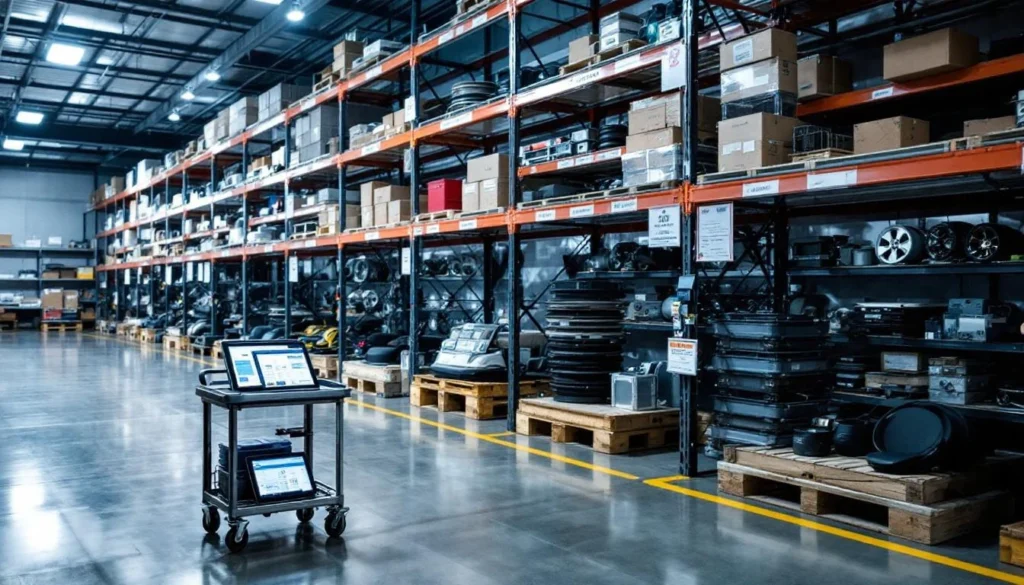
The golf cart aftermarket customization sector is experiencing remarkable growth—the global market is projected to hit $2.8 billion by 2026. Dealers and distributors who align their inventory with what customers actually want will capture significant margin opportunities. This analysis examines verified purchasing data, emerging trends, and strategic merchandising recommendations for wholesale operations positioning themselves for 2026.
Market Context: Aftermarket Customization Growth Trajectory
Golf cart aftermarket parts have moved from specialty niche to mainstream revenue driver. Between 2020 and 2023, golf cart and Low-Speed Vehicle registrations jumped 37%, according to the Specialty Vehicle Institute of America. Customization attachment rates hit 68% across all applications—a 23-percentage-point increase from 2019.
Three factors explain this expansion. First, carts now serve far more than golf courses. Second, buyer demographics have shifted. Third, consumers expect vehicle personalization across every category they purchase. The National Golf Cart Dealers Association reports that non-golf applications now represent 64% of new cart deployments—residential communities, commercial campuses, and institutional facilities drive demand for specialized configurations.
Here’s what matters for dealers and fleet managers: aftermarket customization generates significantly higher per-unit revenue than base vehicle sales. Properly merchandised customization programs deliver 42-67% gross margins on parts and installation services. Compare that to 18-24% margins on base vehicle transactions. This margin differential positions golf cart parts inventory as a strategic profit center—not an ancillary revenue stream.

Regional data reveals significant geographic variation in customization preferences. Coastal and retirement-concentrated markets show 78% customization rates with average aftermarket spend of $3,200 per vehicle. Traditional golf course fleet applications average $1,400 in post-purchase modifications. Understanding these patterns enables targeted inventory allocation and merchandising strategies that maximize turnover while minimizing obsolescence risk.
Performance Enhancement: The Dominant Customization Category
Performance modification components represent the fastest-growing segment, expanding at 19.4% annually according to PowerSports Business analysis. Lift kits, high-performance wheel and tire packages, and upgraded suspension systems collectively account for 34% of total aftermarket parts revenue—category share has increased 11 percentage points since 2021.
Lift kit demand tells a revealing story. Where 2-inch lifts dominated dealer inventory five years ago, current purchasing data shows 4-inch and 6-inch configurations now representing 61% of transactions. This reflects both aesthetic preferences and functional requirements as customers deploy carts across varied terrain—rural properties, agricultural operations, off-road recreational use.
Wheel diameter preferences have evolved similarly. The traditional 8-inch wheel standard? Displaced by 10-inch, 12-inch, and 14-inch configurations. Twelve-inch packages now represent 47% of aftermarket wheel sales according to Golf Cart Resource surveys. This shift necessitates corresponding inventory adjustments in compatible tire profiles, with all-terrain and street-legal options demonstrating 156% sales growth year-over-year in wholesale channels.
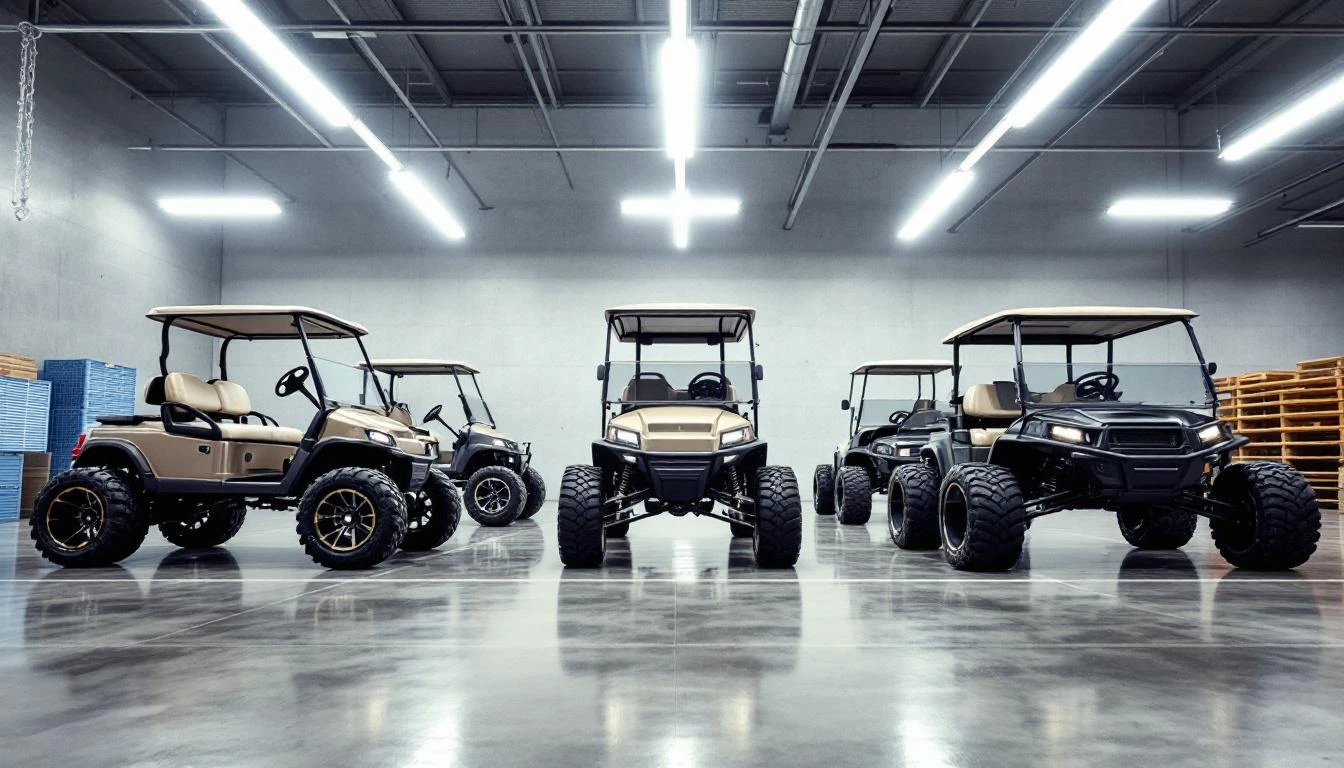
For dealers developing merchandising strategies, performance components require careful specification matching across vehicle platforms. Club Car, EZGO, and Yamaha models each present distinct mounting configurations and electrical system compatibilities. Successful dealers maintain cross-referenced inventory systems that enable rapid identification of platform-specific components. This reduces customer acquisition time and minimizes specification errors that generate costly returns.
High-performance battery systems and motor controllers represent emerging subcategories. Lithium battery conversions have increased 89% annually since 2022, driven by total-cost-of-ownership advantages and performance benefits. Dealers who develop technical competency in lithium system integration and maintain appropriate inventory depth capture premium installation revenue while differentiating from competitors limited to traditional lead-acid configurations.
Comfort and Convenience: The Expanding Middle Market
Performance modifications attract considerable attention. But comfort and convenience upgrades represent the highest-volume segment by transaction count—accounting for 56% of all customization purchases. Seat upgrades, enclosures, lighting systems, and storage accessories demonstrate consistent demand across all customer segments and application types.
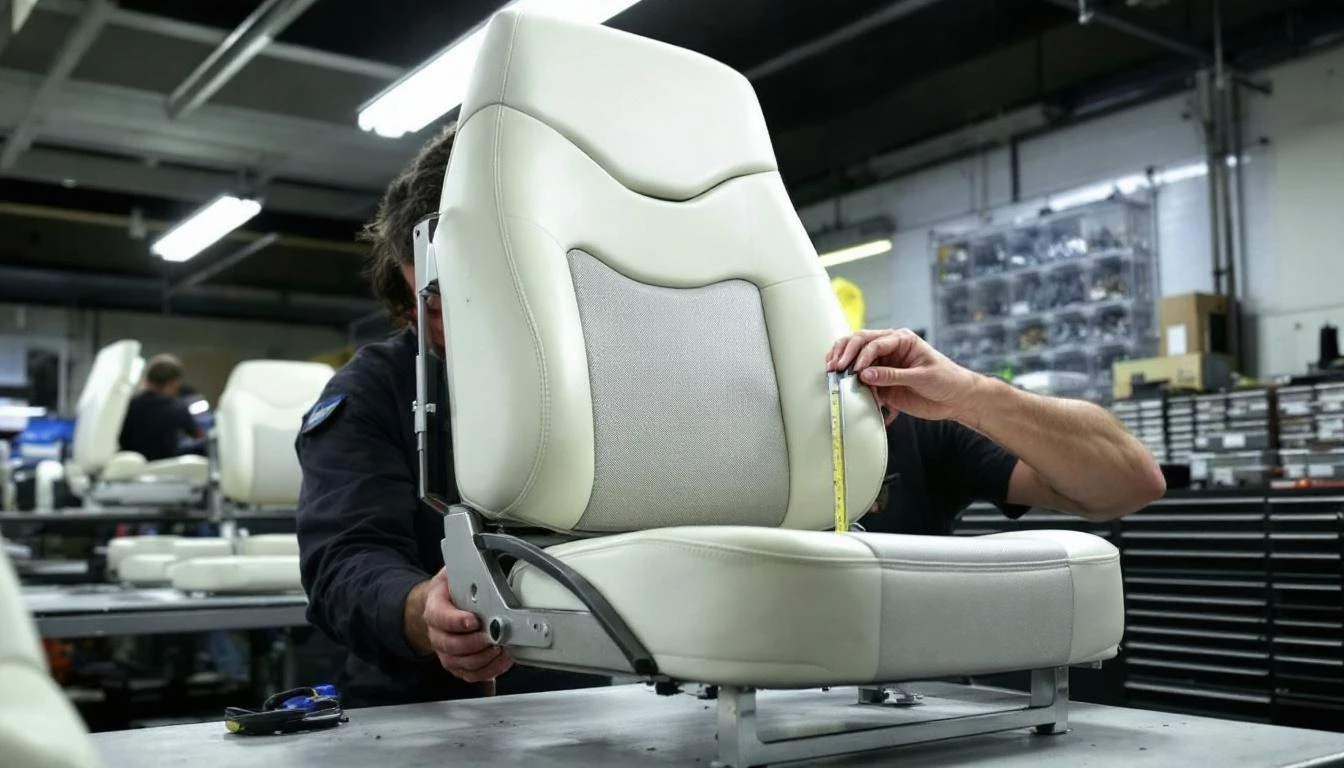
Seat customization has evolved beyond simple replacement to specification-driven selection based on application requirements. Golf course fleet managers prioritize durability and weather resistance, resulting in 73% preference for marine-grade vinyl in fade-resistant color options. Residential and commercial campus applications? They show 64% preference for premium comfort features including lumbar support, armrests, and ergonomic contours (according to dealer transaction analysis conducted by Golf Course Management magazine).
Enclosure systems represent significant revenue opportunity with strong seasonal demand patterns. Full enclosures with zippered door access and transparent panels constitute 58% of enclosure sales in markets with winter operations. Sunshade-focused solutions dominate warm-climate regions. Dealers who maintain appropriate regional inventory mix and implement proactive seasonal merchandising capture substantially higher attachment rates—averaging 2.8 customization items per transaction compared to 1.4 items for dealers with static inventory approaches.
LED lighting systems have transitioned from specialty items to standard customization expectations. Regulatory changes enabling street-legal operation in numerous jurisdictions created compliance-driven demand for headlight, taillight, and turn signal packages. Beyond regulatory requirements, underbody accent lighting, speaker integration, and Bluetooth connectivity represent discretionary upgrades with 127% growth in wholesale order volume since 2021.
Storage and utility accessories correlate strongly with specific use-case applications. Golf course operations favor ball washer mounts and scorecard holders. Commercial and institutional deployments prioritize cargo boxes, tool racks, and beverage holders. Dealers serving diverse customer segments require inventory breadth—successful operations maintain minimum 30-SKU depth in storage and convenience accessories to address varied specification requirements.
Aesthetic Customization: Brand Differentiation Through Visual Identity
Visual customization components enable end-users to establish brand identity and differentiate fleet vehicles. Custom body panels, graphic packages, powder-coated components, and color-matched accessories represent 22% of total aftermarket parts revenue—particularly strong demand comes from resort properties, corporate campuses, and municipalities deploying branded fleet vehicles.
Pre-finished body panel assemblies in non-standard colors demonstrate 43% higher sell-through rates compared to generic white or beige alternatives. Dealers who maintain inventory in popular custom colors—including metallic finishes, two-tone configurations, and specialty textures—reduce customer delivery timelines while capturing premium pricing. Industry color preference data indicates black, charcoal, and navy configurations collectively represent 38% of custom color selections. This enables focused inventory investment in high-velocity SKUs.
Graphic application services generate substantial margin contribution with minimal inventory investment. Vinyl wrap materials, custom decal packages, and corporate branding integration create recurring revenue opportunities. Fleet customers requiring consistent visual identity across multiple vehicles drive this demand. Dealers who develop in-house graphic application capabilities or establish partnerships with specialized vendors report average project values of $450-$800 per vehicle with 58-64% gross margins.
Powder-coated and custom-finished components address premium aesthetic preferences while delivering functional benefits—corrosion resistance and enhanced durability. Steering wheels, dash panels, and chassis components in color-matched or contrasting finishes enable comprehensive visual customization. Wholesale purchasing data indicates steady 12% annual growth in custom-finished component demand, with lead times of 3-5 weeks creating inventory planning requirements for dealers maintaining ready-to-install stock.
Technology Integration: The Emerging Frontier
Technology-enhanced customization represents the fastest-emerging category within golf cart upgrade demand. Currently accounts for just 8% of total aftermarket revenue. But GPS tracking systems, telematics integration, mobile device charging solutions, and advanced instrumentation demonstrate 203% compound annual growth rate. This signals substantial future category expansion as technology costs decline and feature expectations normalize.

Fleet management customers drive technology adoption. GPS tracking and utilization monitoring increasingly represent standard specifications for institutional purchasers. Resort properties, municipalities, and large commercial campuses deploy fleet management systems to optimize vehicle allocation, schedule preventive maintenance, and monitor operational efficiency. Dealers who develop technical competency in telematics integration and offer fleet management consulting services establish higher-value customer relationships with superior retention characteristics.
Mobile device integration shows broad appeal across all customer segments. USB charging ports, wireless charging pads, Bluetooth audio systems—wholesale order data shows 178% year-over-year growth in mobile connectivity accessories. Particularly strong demand comes from markets serving younger demographic profiles and technology-forward applications including corporate campuses and university settings.
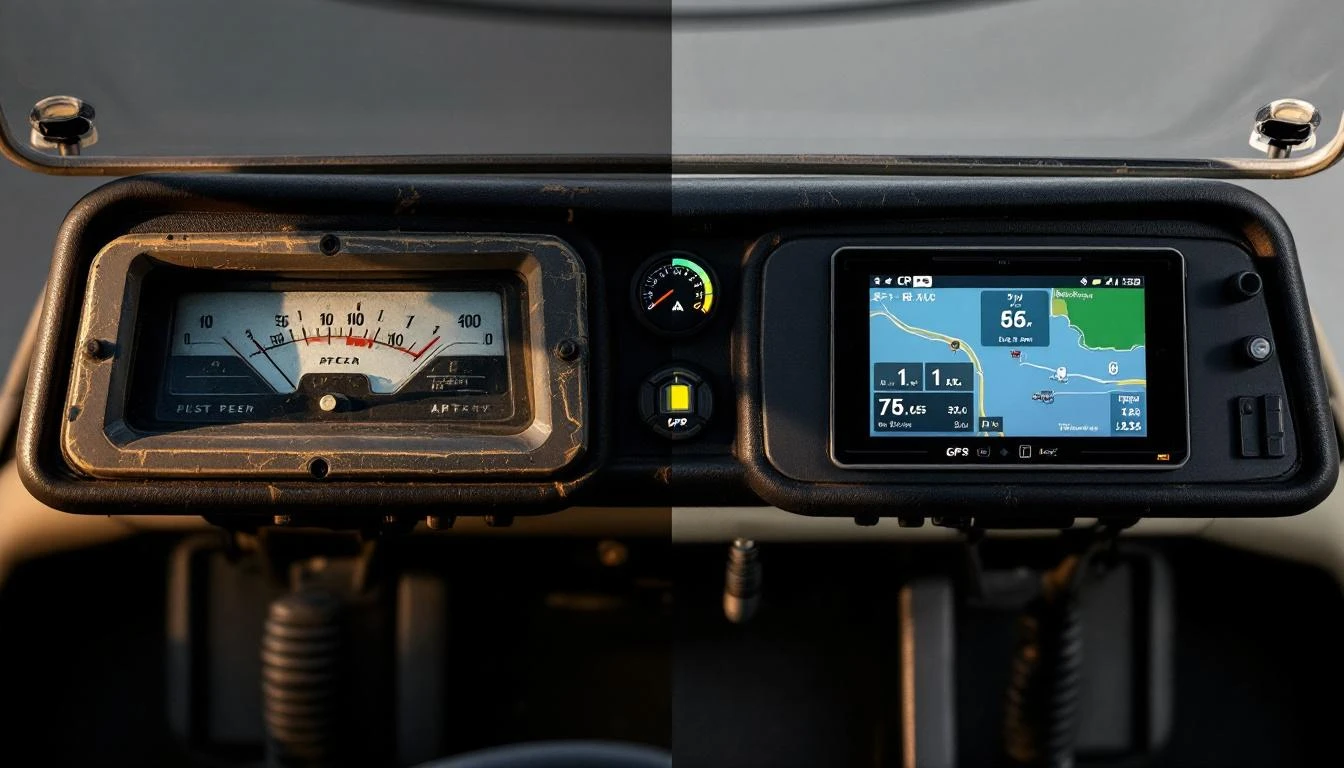
Advanced instrumentation and digital display systems enable customization beyond traditional speedometer and battery indicators. Multi-function displays showing GPS navigation, trip computer data, and vehicle diagnostics appeal to performance-oriented customers and fleet operators requiring operational visibility. While currently representing specialty applications, declining component costs and increasing customer familiarity with automotive-style instrumentation suggest mainstream category expansion by 2026.
What This Means for Dealers and Distributors
The evolving world of golf cart aftermarket customization trends requires strategic adaptation of inventory management, merchandising approaches, and service capabilities. Dealers and distributors who proactively align operations with documented demand patterns position themselves for sustained competitive advantage and margin expansion.
Inventory allocation strategies must balance breadth and depth across customization categories. Performance components require platform-specific depth to serve immediate customer needs. Comfort accessories benefit from broader SKU coverage to address diverse preferences. Analysis of successful dealer operations reveals optimal inventory approaches maintain 60-70% allocation to high-velocity performance and comfort categories, with 20-25% dedicated to aesthetic customization and 10-15% to emerging technology integration products.
Merchandising presentation significantly influences attachment rates and average transaction values. Dealers who implement physical or digital visualization tools enabling customers to preview customization combinations report 34% higher customization attachment rates compared to catalog-only approaches. Complete vehicle displays showcasing popular customization packages—particularly performance lift and wheel combinations—generate measurable pull-through demand for component sales.
Technical competency development represents essential infrastructure for customization-focused operations. Installation services generate premium margin contribution while ensuring proper fitment and customer satisfaction. Dealers should prioritize training investments in lift kit installation, electrical system modification, and lithium battery integration—the three customization categories demonstrating highest growth trajectories and greatest technical complexity.
Supplier relationship management directly impacts competitive positioning. Lead times, minimum order quantities, and technical support capabilities vary substantially across wholesale suppliers. Evaluate suppliers based on inventory availability, specification accuracy, technical documentation quality, and responsive customer service. Establishing relationships with specialized wholesale partners like Top Golf Cart Parts who maintain comprehensive inventory depth across multiple vehicle platforms reduces stockout risk while minimizing working capital requirements through smaller, more frequent replenishment orders.
Data-driven inventory management enables optimization of stock levels, identification of emerging trends, and reduction of obsolescence risk. Successful dealers implement point-of-sale systems tracking sales velocity by SKU, customer segment, and seasonal pattern. This data infrastructure supports evidence-based purchasing decisions and identifies underperforming inventory requiring promotional action or discontinuation.
Strategic Action Framework for 2026 Market Positioning
Dealers and distributors preparing for 2026 market conditions should implement systematic evaluation and enhancement of customization capabilities across five operational dimensions:
Inventory Optimization: Conduct comprehensive analysis of current inventory allocation against documented demand patterns in performance, comfort, aesthetic, and technology categories. Identify gaps in platform-specific component coverage, particularly for high-growth lift kit and wheel package configurations. Establish target inventory levels maintaining 30-day supply depth on A-velocity items while reducing exposure to slow-moving SKUs demonstrating declining demand trajectories.
Merchandising Enhancement: Develop physical showroom displays or digital visualization tools demonstrating popular customization packages. Create package offerings combining complementary components—such as lift kit, wheel, and tire combinations—at attractive pricing encouraging comprehensive upgrades. Implement seasonal merchandising rotations highlighting enclosures and lighting during winter planning periods, and performance components during spring installation seasons.
Technical Capability Development: Assess current installation service capabilities and identify competency gaps in high-growth categories. Prioritize training investments in lift kit installation, electrical system modification, and lithium battery integration. Consider certification programs from component manufacturers providing competitive differentiation and enhanced technical credibility with sophisticated customers.
Supplier Partnership Evaluation: Review existing supplier relationships assessing performance across inventory availability, lead time consistency, technical support quality, and pricing competitiveness. Establish backup supplier relationships for critical categories ensuring continuous product availability during demand spikes or supplier disruptions. Engage with wholesale partners offering private label or exclusive product lines enabling market differentiation.
Customer Communication Programs: Develop systematic outreach to existing customers highlighting new customization options, seasonal promotions, and installation service capabilities. Implement email marketing, social media, and direct mail campaigns targeting previous purchasers with upgrade opportunities. Create content demonstrating customization applications, installation processes, and performance benefits building customer confidence and purchase intent.
Top Golf Cart Parts provides comprehensive wholesale support for dealers and distributors implementing customization-focused growth strategies. Our inventory depth across all major vehicle platforms, technical specification resources, and responsive customer service enable rapid order fulfillment supporting just-in-time inventory approaches. Request a consultation with our wholesale team to discuss platform-specific inventory recommendations, private label opportunities, and volume pricing structures aligned with your market positioning objectives.
Frequently Asked Questions
What inventory investment level is appropriate for dealers entering golf cart customization markets?
Appropriate inventory investment varies based on market size, customer mix, and competitive positioning, but successful dealers typically allocate $25,000-$45,000 in initial customization parts inventory. This investment should emphasize high-velocity categories including 4-6 inch lift kits, 12-14 inch wheel packages, seat upgrades, and LED lighting systems. Focus initial inventory on platform-specific components for your most common vehicle brands, then expand breadth as sales data identifies additional demand patterns. Establishing wholesale partnerships with suppliers offering low minimum order quantities enables inventory expansion while managing working capital requirements.
How should dealers balance platform-specific inventory across Club Car, EZGO, and Yamaha applications?
Platform-specific inventory allocation should reflect your local market vehicle population and new unit sales distribution. Analyze your service records and sales history to determine the relative prevalence of each manufacturer in your market area. Most dealers find Club Car and EZGO collectively represent 70-80% of their market, with Yamaha comprising the balance. Maintain deeper inventory in performance and electrical components for your dominant platforms, while keeping basic comfort accessories in universal or adaptable configurations serving multiple platforms. Cross-reference catalogs identifying components with multi-platform compatibility reduce total SKU count while maintaining coverage.
What are the highest-margin customization categories for dealer profitability?
Margin performance varies by category, with aesthetic customization and technology integration typically delivering highest percentage margins at 55-67%, though lower transaction volumes. Performance components including lift kits and wheel packages generate 42-52% margins with substantially higher sales velocity. Installation labor contributes premium margins of 65-75% when dealers maintain technical competency enabling efficient service delivery. Overall profitability optimization requires balanced portfolio approach emphasizing high-velocity performance and comfort categories for revenue volume, supplemented with premium-margin aesthetic and technology offerings capturing customer preference diversity.
How can fleet managers justify customization investments to institutional stakeholders?
Fleet customization investments deliver measurable operational benefits beyond aesthetic preferences. Performance upgrades including lift kits and all-terrain tires extend operational range enabling deployment in varied terrain applications, reducing need for specialized vehicle acquisitions. LED lighting systems reduce energy consumption while improving safety and operational hours. GPS tracking and telematics integration optimize fleet utilization, schedule preventive maintenance, and reduce unauthorized usage. Develop total-cost-of-ownership analyses demonstrating operational efficiency gains, maintenance cost reductions, and asset life extension justifying customization investments through quantified operational improvements rather than discretionary enhancement positioning.
What seasonal patterns should dealers anticipate in customization demand?
Customization demand demonstrates pronounced seasonal variation requiring proactive inventory and merchandising planning. Spring months (March-May) generate peak demand for performance upgrades as customers prepare vehicles for active season usage. Summer months maintain steady comfort and convenience accessory demand. Fall (September-November) sees increased enclosure and lighting system purchases as customers prepare for winter operations or off-season storage. December-February represent slower customization periods, though mild-climate markets maintain more consistent year-round patterns. Implement forward merchandising strategies highlighting seasonal categories 60-90 days before peak demand periods, and develop promotional programs moving seasonal inventory before demand decline to minimize obsolescence risk.