South Africa’s golf infrastructure represents a significant opportunity for wholesale suppliers and authorized dealer networks. The country maintains approximately 450+ golf facilities across diverse terrain—from coastal links to safari-adjacent courses. According to Golf Business Monitor’s 2023 African Golf Industry Report, the South Africa golf cart market has experienced a 23% increase in fleet replacement investment since 2022, driven by aging inventory and heightened sustainability requirements. For B2B suppliers evaluating regional expansion or dealer partnerships, understanding the unique procurement dynamics, maintenance infrastructure challenges, and logistical considerations of this market is essential for sustainable growth in the broader African golf course maintenance ecosystem.
South African Golf Cart Market Infrastructure Analysis
The South Africa golf cart market operates within a distinctive framework shaped by geographic dispersion, import dynamics, and regional economic factors. PwC’s 2023 South African Sports Infrastructure Report identifies golf facilities concentrated in three primary zones: Gauteng Province (32% of facilities), Western Cape (28%), and KwaZulu-Natal (19%). This creates specific distribution challenges for parts suppliers and fleet management companies.
Current fleet demographics reveal critical replacement opportunities. Industry data from the Southern African Golf Association indicates that approximately 58% of operational golf carts across South African courses exceed seven years of age, with 34% surpassing ten years—significantly above the recommended replacement threshold for commercial fleet operations. This aging inventory creates substantial demand for both replacement parts and complete fleet modernization programs.
Import tariff structures directly impact procurement strategies. South Africa’s current customs schedule applies 18-25% duty rates on complete golf cart units depending on specification, while component parts face variable rates of 0-15% based on classification. This differential creates significant cost advantages for dealers offering parts-based maintenance programs versus complete unit replacement.
Currency volatility is a major planning factor. The Rand’s fluctuation against major currencies—averaging 14.8% annual volatility against the USD over the past five years according to South African Reserve Bank data—necessitates sophisticated inventory management and forward pricing strategies. Dealers successfully operating in this environment typically maintain 90-120 day parts inventory buffers to mitigate currency exposure risks.

Regional Dealer Network Architecture and Distribution Challenges
South African golf facility supplies distribution follows a hub-and-spoke model considerably different from North American or European markets. The geographic reality of serving facilities spread across 1.22 million square kilometers—many in remote or semi-rural locations—requires specialized logistics planning and regional dealer networks with substantial parts inventory capability.
Current authorized dealer density averages one full-service dealer per 45 golf facilities nationally, according to Golf Digest South Africa’s 2024 Supplier Directory. This ratio compares unfavorably to mature markets like the United States (1:12 ratio) or United Kingdom (1:18 ratio), indicating significant opportunity for qualified dealer network expansion. But the capital requirements for establishing viable operations—estimated at R2.8-4.5 million ($150,000-240,000 USD) for adequate parts inventory and service infrastructure—create barriers to entry that favor partnerships with established wholesale suppliers.
The safari golf course equipment segment presents unique opportunities and challenges.
Approximately 35 golf facilities operate in or adjacent to wildlife areas, requiring specialized equipment specifications including quieter operation, enhanced durability for rough terrain, and extended range capabilities. These facilities typically operate larger-than-average fleets (18-24 units versus 12-16 at urban courses) due to extended course routing and safari tour integration. This creates concentrated demand nodes for suppliers who understand these specialized requirements.
Logistics infrastructure varies dramatically by region. While major metropolitan areas offer reliable same-day or next-day parts delivery, rural and resort facilities—representing approximately 41% of total courses—often face 3-7 day lead times for standard components. This disparity drives inventory strategy decisions, with successful dealers maintaining regional mini-distribution centers in secondary markets like George, Polokwane, and Port Elizabeth to serve outlying facility clusters.

African Golf Course Maintenance Procurement Patterns
Procurement cycles in the South African market follow distinct seasonal patterns influenced by climate, tourism flows, and capital budget timing. Data from the South African Golf Course Superintendents Association indicates that 64% of major fleet purchases and maintenance contracts are finalized during Q2-Q3 (April-September), aligning with the Southern Hemisphere’s autumn and winter months when course traffic moderates and maintenance windows expand.
Municipal and resort facilities demonstrate divergent procurement behaviors. Municipal courses, representing approximately 22% of facilities, typically operate on rigid annual budget cycles with purchase decisions made 6-9 months in advance. These facilities show higher price sensitivity and preference for parts-based fleet extension over replacement. Resort and private facilities, conversely, demonstrate greater flexibility and willingness to invest in premium fleet solutions, with 47% of this segment having implemented some level of lithium-ion conversion according to Golf Inc. Africa’s 2023 Technology Adoption Survey.
The parts versus complete unit decision matrix differs from developed markets.
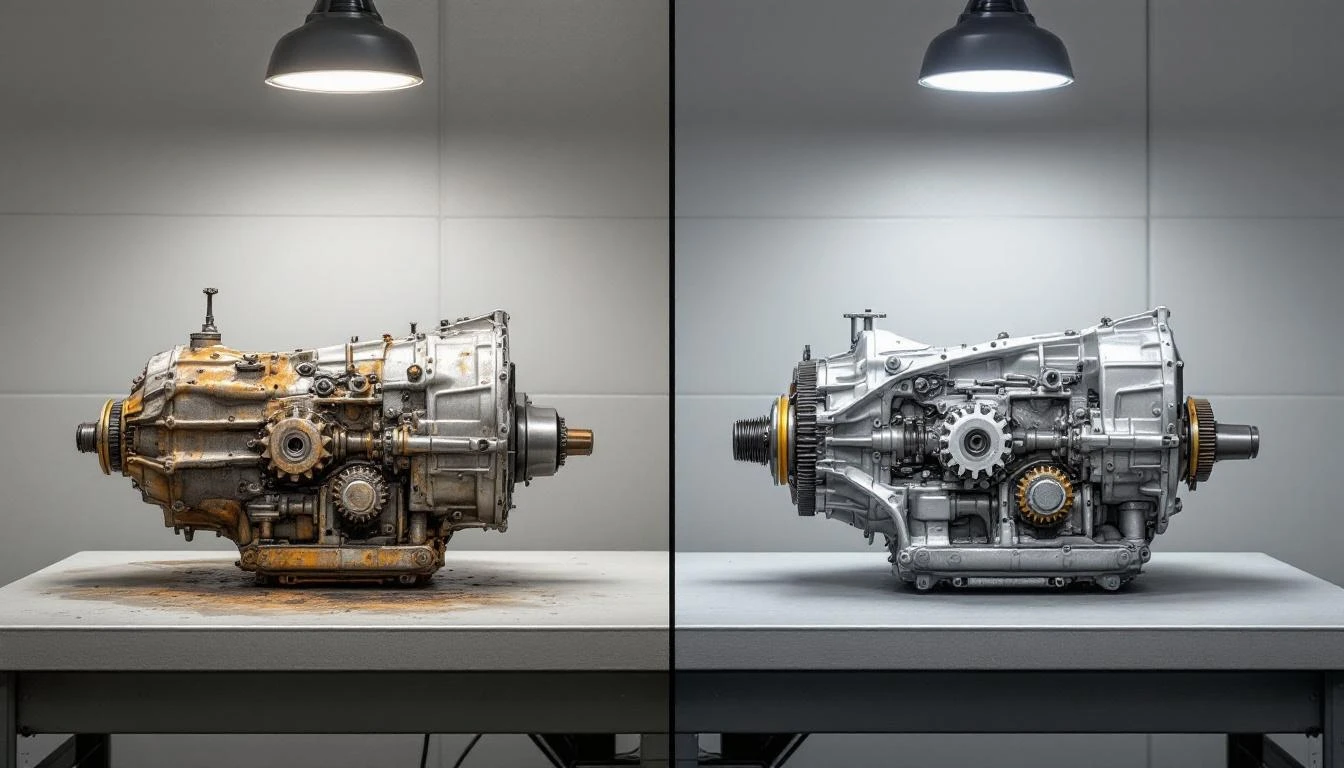
Given import economics and currency considerations, South African fleet managers extend operational lifecycles an average of 2.3 years beyond typical North American replacement schedules. This creates robust demand for parts programs, remanufactured components, and technical support services. Successful B2B suppliers in this market offer tiered parts programs accommodating everything from basic maintenance to complete powertrain rebuilds.
Sustainability mandates are reshaping procurement requirements. South Africa’s updated Environmental Management Framework for golf facilities, implemented in 2023, establishes progressive emissions reduction targets. While not immediately mandatory, 38% of championship and resort courses have already initiated fleet electrification programs to align with these guidelines and meet corporate sustainability reporting requirements. This trend accelerates demand for lithium conversion systems, charging infrastructure, and technical training—services that forward-thinking wholesale suppliers should incorporate into their dealer support programs.

Maintenance Infrastructure and Technical Service Capability Gaps
Technical service infrastructure represents a critical bottleneck in the South Africa golf cart market. Analysis of current service capacity reveals that only 23% of golf facilities maintain in-house technicians with manufacturer-certified training on modern electric and lithium-powered systems, according to the Golf Facility Managers Association of South Africa. This skills gap creates dependency on dealer service networks and drives demand for simplified maintenance protocols and detailed technical documentation.
Parts availability challenges compound service delays. Facilities located more than 100 kilometers from major distribution centers report average parts procurement times of 4.8 days for common wear components and 12-18 days for specialized electrical or controller components. These delays translate directly to fleet downtime costs, which Golf Business Analytics estimates at R850-1,200 ($45-65 USD) per cart per day in lost revenue and operational disruption at revenue-generating facilities.
The training infrastructure deficit presents both challenge and opportunity.
Currently, only two facilities in South Africa offer golf cart technician certification programs, both located in Gauteng Province. This geographic concentration leaves significant portions of the dealer and facility maintenance workforce without access to formal technical education. B2B suppliers who develop regional training programs or online technical resources create substantial competitive differentiation and dealer loyalty.
Warranty and technical support expectations differ from other markets. Given logistical realities, South African dealers and fleet managers expect more remote diagnostic support and extended on-site service capabilities from their wholesale partners. Suppliers successfully penetrating this market typically provide 24-48 hour technical response guarantees, video diagnostic support, and well-documented troubleshooting protocols that enable resolution without parts shipment when possible.
Strategic Implications for Dealers and Wholesale Distribution Partners
The South Africa golf cart market presents qualified dealers and distributors with a high-growth opportunity characterized by aging fleet infrastructure, expanding facility development, and evolving sustainability requirements. Success requires adaptation to regional realities around logistics, currency management, and service infrastructure.
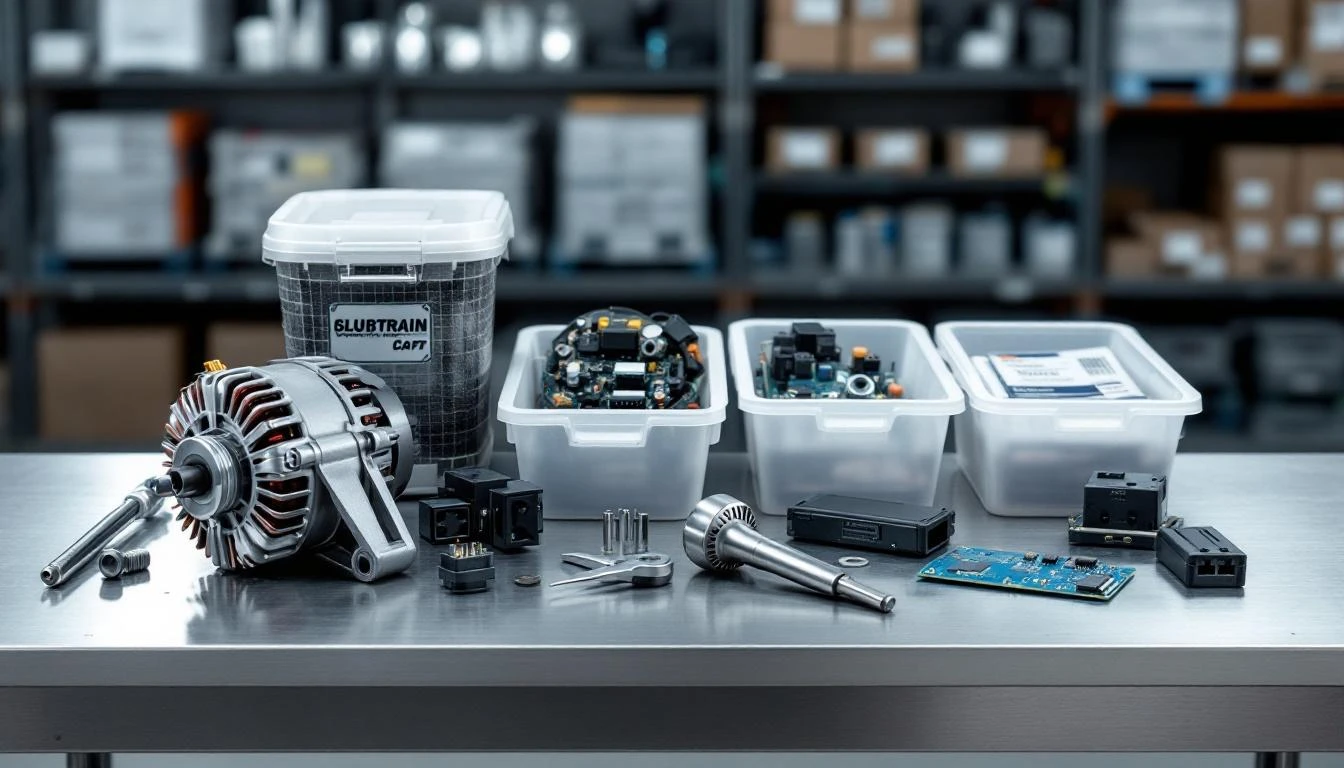
Inventory investment strategies must account for extended lead times and currency volatility. Dealers entering or expanding in this market should plan for 90-120 day safety stock on fast-moving maintenance components, with particular emphasis on wear parts (batteries, controllers, solenoids, contactors) that face accelerated replacement cycles due to extended fleet lifecycles. Working with wholesale partners like TGCP who understand these inventory dynamics and can provide flexible terms helps mitigate the capital intensity of market entry.
Regional hub development offers superior economics to centralized distribution for dealers targeting national coverage.
Analysis indicates that establishing secondary distribution points in Western Cape and KwaZulu-Natal in addition to primary Gauteng operations reduces average delivery times by 3.2 days and transportation costs by 18-23% versus single-hub models. The investment threshold for secondary hubs (R450,000-750,000 or $24,000-40,000 USD) delivers ROI within 18-24 months for dealers serving 30+ facilities.
Technical service capability represents the primary differentiator in dealer selection. Facilities consistently rank service response time and technical expertise above price in vendor selection criteria, with 73% of facility managers in a 2023 Golf Course Management South Africa survey indicating willingness to pay 8-12% premiums for dealers offering certified technicians and same-day emergency service coverage. Dealers should prioritize technician training and service infrastructure investment over aggressive pricing strategies.

The parts-versus-replacement opportunity favors solution providers. Given the economic drivers extending fleet lifecycles, dealers who position themselves as fleet lifecycle partners rather than transactional parts suppliers capture greater wallet share and customer retention. This requires developing capabilities across OEM parts supply, remanufactured components, upgrade packages (lithium conversions, efficiency improvements), and technical advisory services.
Implementation Framework for Market Entry and Expansion
Dealers and distributors evaluating South African market opportunities should approach expansion through a phased framework that mitigates risk while establishing sustainable competitive positioning.
Phase 1: Market Assessment and Wholesale Partnership (Months 1-3)
Begin with facility mapping within target service regions, identifying concentration areas, fleet sizes, and current vendor relationships. Simultaneously, establish relationships with qualified wholesale suppliers capable of supporting inventory requirements, technical training, and flexible terms appropriate for emerging market dynamics. TGCP’s wholesale program specifically addresses these requirements with regional market expertise and inventory support structures designed for international dealer networks.
Phase 2: Inventory and Infrastructure Development (Months 4-8)
Develop initial parts inventory focused on high-velocity maintenance components with universal application across multiple manufacturers. Establish baseline technical service capabilities through manufacturer training programs and diagnostic equipment investment. Target initial inventory investment of R1.8-2.4 million ($95,000-130,000 USD) focusing on electrical components, batteries, controllers, and common wear parts that generate 70-80% of transaction volume.
Phase 3: Service Introduction and Relationship Development (Months 9-18)
Launch service offerings to initial target facilities with emphasis on responsive support and technical problem-solving rather than aggressive pricing. Develop case studies and performance documentation that demonstrate value proposition around minimizing downtime and extending fleet lifecycles. This phase prioritizes relationship establishment and operational refinement over volume growth.
Phase 4: Geographic Expansion and Capability Enhancement (Months 19-36)
Based on initial market performance, evaluate secondary hub establishment or mobile service expansion to extend geographic coverage. Develop specialized capabilities in high-value segments such as lithium conversion, fleet analytics, or safari course equipment. Refine inventory algorithms based on actual demand patterns and establish predictive ordering systems.
Throughout this framework, maintaining close collaboration with experienced wholesale partners ensures access to technical resources, favorable commercial terms, and market intelligence that accelerates the learning curve and reduces capital risk.
How to Position Your Organization for South African Market Opportunities
The South Africa golf cart market’s growth trajectory and infrastructure modernization requirements create compelling opportunities for qualified dealers and distributors. Organizations ready to evaluate market entry or expansion should undertake several immediate actions:
Conduct facility mapping within your target service regions to identify fleet sizes, replacement cycles, and competitive positioning. This data-driven foundation informs inventory planning, service capacity requirements, and realistic revenue projections.
Evaluate wholesale partnership options with suppliers demonstrating African market experience, flexible inventory support, and technical training capabilities. The right wholesale relationship significantly reduces the capital intensity and knowledge barriers of market entry.
Develop differentiated service capabilities beyond commodity parts supply. The market rewards technical expertise, responsive support, and fleet lifecycle solutions. Investment in technician training and diagnostic infrastructure generates superior returns compared to inventory expansion alone.
Model currency and logistics realities into financial planning from the outset. Organizations that proactively address Rand volatility through hedging strategies or dynamic pricing frameworks, and account for extended delivery windows in customer commitments, avoid the margin compression that undermines less-prepared competitors.
TGCP’s wholesale dealer program provides qualified distributors and service organizations with the technical support, inventory flexibility, and market intelligence required for successful African market participation. Our regional specialists understand the unique dynamics of emerging golf markets and structure partnership terms that align with local economic realities while maintaining quality and support standards.
Request a wholesale consultation to evaluate your organization’s market fit and develop a customized entry or expansion strategy. Our team conducts confidential market assessments, provides facility intelligence for your target regions, and structures inventory programs scaled to your specific growth objectives.
Frequently Asked Questions: South African Golf Cart Market
What are the typical minimum order quantities for wholesale golf cart parts shipped to South Africa?
Minimum order quantities vary by supplier and shipping method, but economically viable container shipments to South African ports typically require $15,000-25,000 USD minimum orders to offset freight and customs processing costs. However, qualified dealers can often access consolidated shipping programs through established wholesale partners, reducing effective minimums to $5,000-8,000 per order. Air freight options exist for urgent requirements but carry substantially higher per-unit costs (typically 3-4x ocean freight rates). TGCP’s regional distribution program allows qualified dealers to access inventory through our established logistics channels, significantly reducing individual order minimums while maintaining competitive landed costs.
How do import duties and VAT affect golf cart parts pricing in South Africa?
South African customs classifications apply variable duty rates to golf cart components ranging from 0% (certain electrical components) to 15% (mechanical and structural parts) depending on Harmonized System codes. Plus, 15% VAT applies to all imported goods. Complete golf carts face higher duty rates of 18-25%. Strategic component classification and proper customs documentation can significantly impact landed costs. Experienced wholesale suppliers familiar with South African customs procedures provide detailed classification guidance and documentation support that optimizes duty treatment. Working with a supplier who maintains relationships with South African customs brokers streamlines clearance and reduces unexpected cost variations.
What inventory levels should dealers maintain to provide competitive service in the South African market?
Successful South African dealers typically maintain 90-120 day inventory coverage for fast-moving maintenance components (batteries, controllers, contactors, cables) due to extended international shipping lead times and currency volatility considerations. For a dealer serving 30-50 golf facilities, this translates to approximately R1.8-2.8 million ($95,000-150,000 USD) in parts inventory at cost. But inventory composition matters more than absolute value—focus on high-velocity electrical components and universal-fit parts applicable across multiple manufacturers rather than broad but shallow coverage. Sophisticated dealers implement vendor-managed inventory programs with wholesale partners, reducing capital requirements while maintaining service levels through guaranteed replenishment protocols.
Are lithium battery conversions economically viable for South African golf course fleets?
Lithium conversions demonstrate compelling economics for South African facilities when evaluated across complete ownership lifecycles. While initial conversion costs range R35,000-52,000 ($1,850-2,750 USD) per cart versus R8,500-12,000 ($450-650 USD) for lead-acid replacement, total cost of ownership analysis typically shows break-even within 3.8-4.5 years based on reduced maintenance, extended lifespan, and electricity cost savings. Lithium systems also address specific South African challenges including voltage stability in areas with inconsistent grid power and reduced water consumption (critical in water-restricted regions). Facilities operating fleets exceeding eight years of age often find lithium conversion more economical than continued lead-acid maintenance given the compounding reliability improvements. Dealers offering turnkey lithium conversion programs with proper electrical system upgrades capture significant value in fleet modernization projects.
What technical certifications or training do South African golf facilities expect from authorized dealers?
South African fleet managers prioritize manufacturer-specific technical certifications when selecting service providers, with 67% indicating preference for dealers employing factory-trained technicians according to Golf Course Management South Africa surveys. Recognized certifications include Club Car’s Master Technician program, E-Z-GO’s Certified Service Professional designation, and Yamaha’s Technical Service certification. However, given limited local training infrastructure, facilities also value dealers who invest in continuous technical education through online manufacturer programs and demonstrate diagnostic capabilities across multiple brands. Dealers should plan for 2-3 technicians to complete formal certification programs annually, supplemented by regular online training on new technologies (particularly lithium systems and advanced controllers). This investment typically costs R85,000-125,000 ($4,500-6,600 USD) annually but generates substantial competitive differentiation in a market with limited certified service capacity.